
Dominicans in Japan — A Century-Long Mission

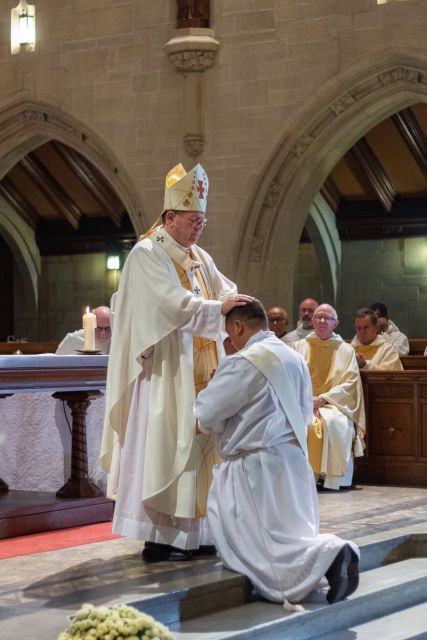
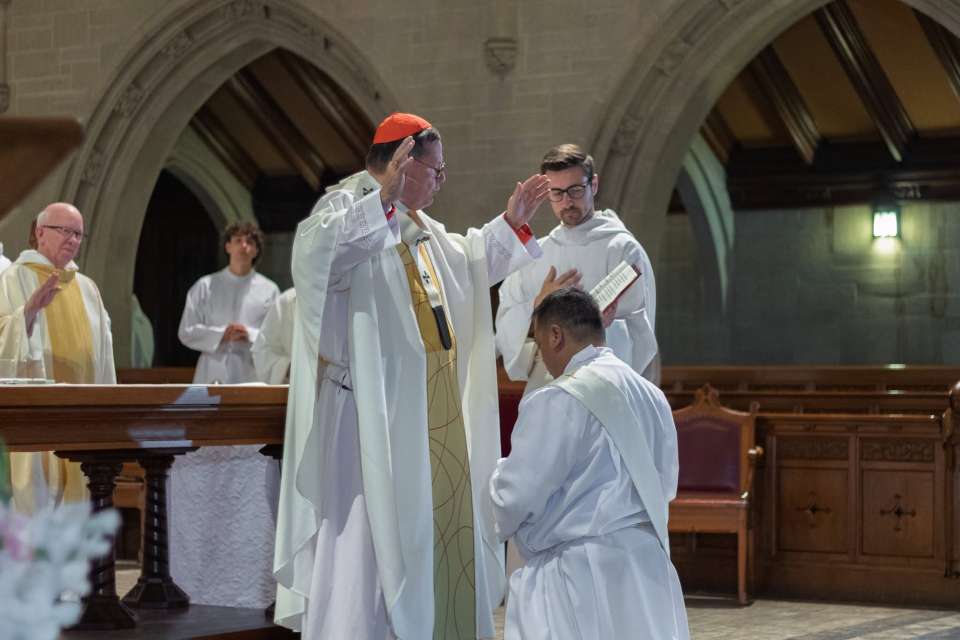
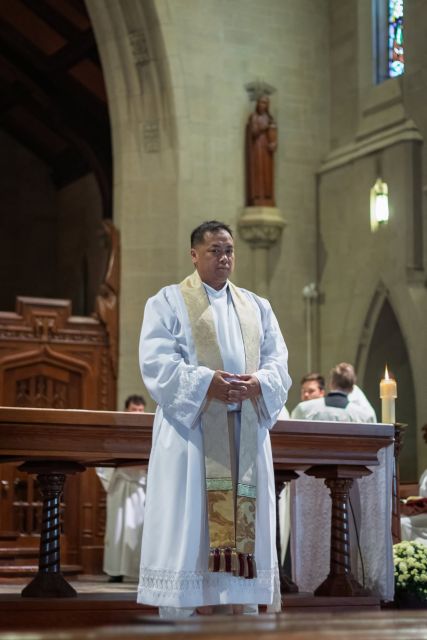
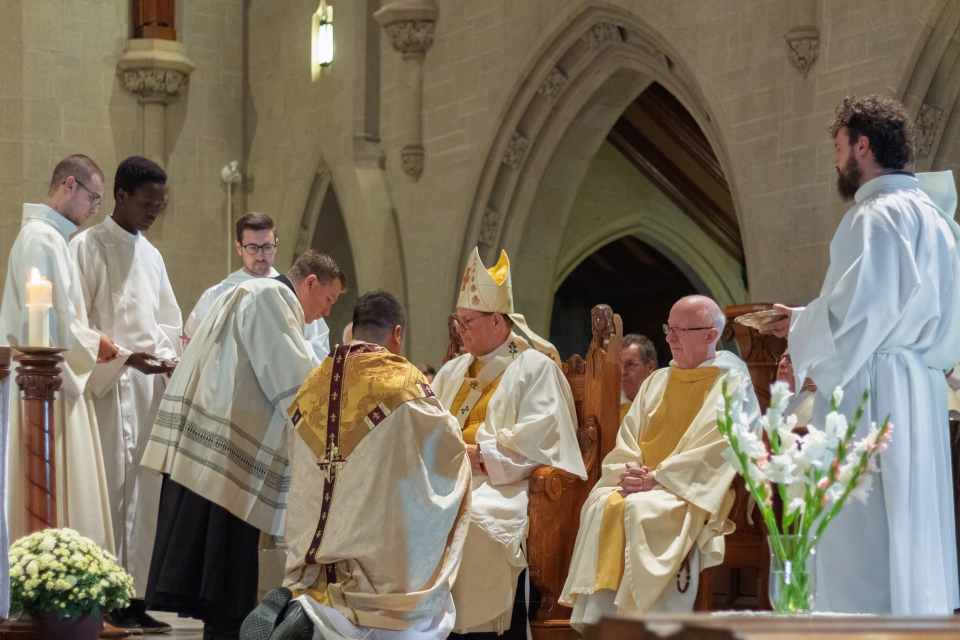
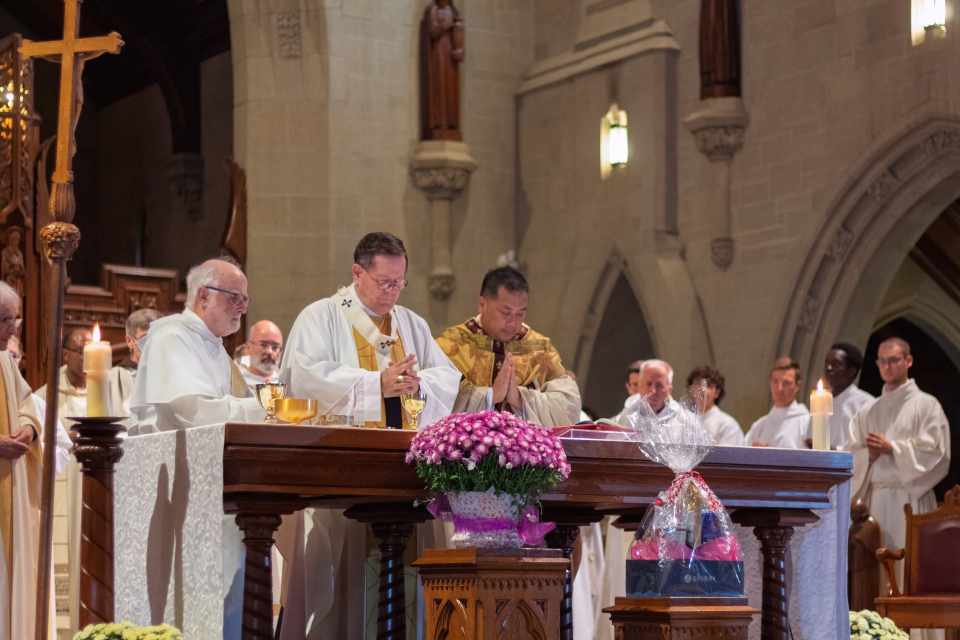
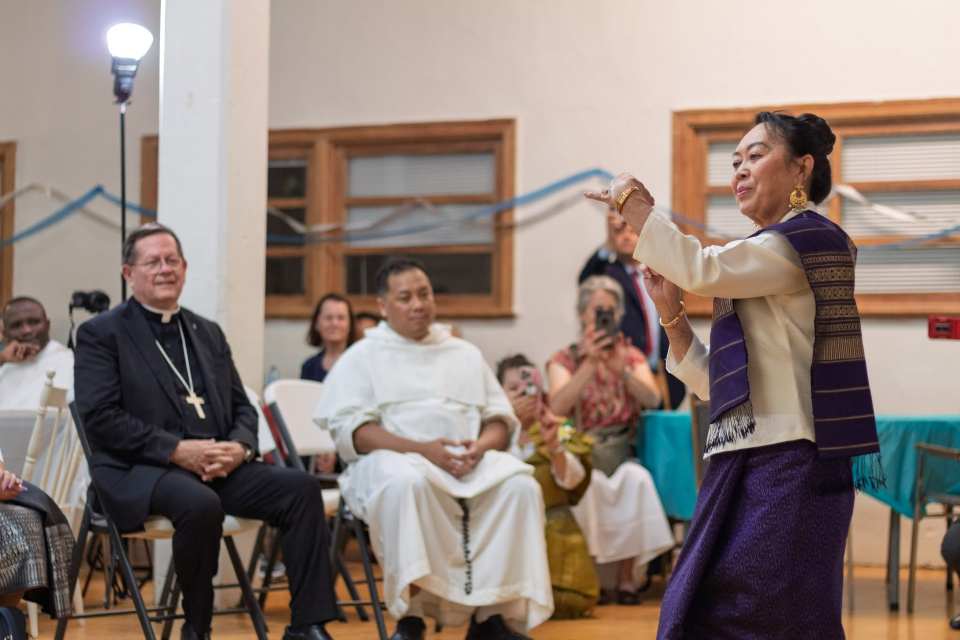
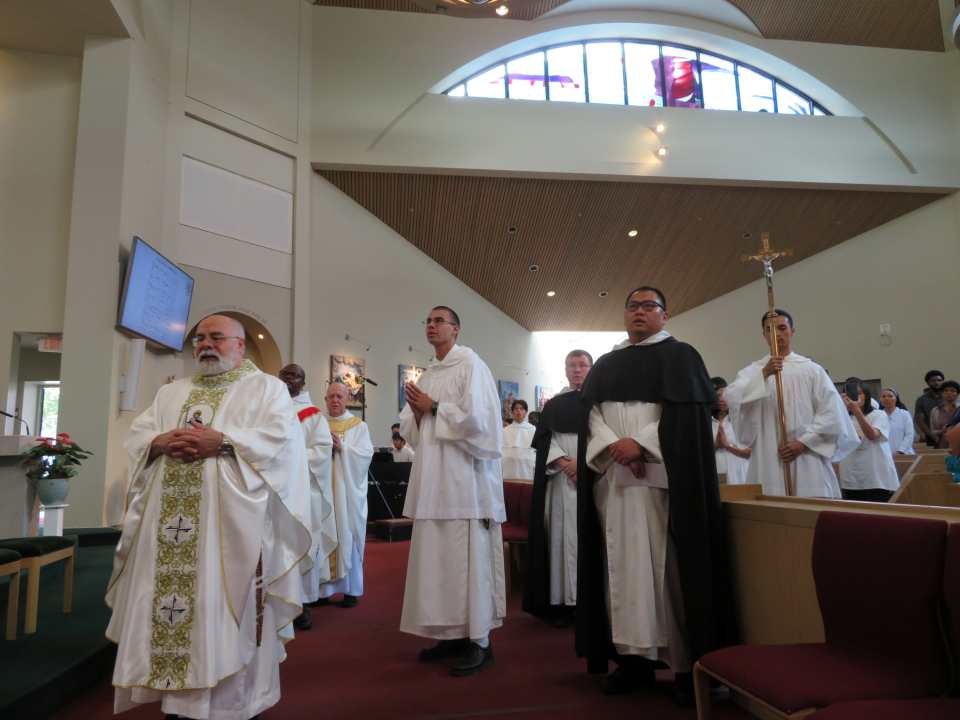
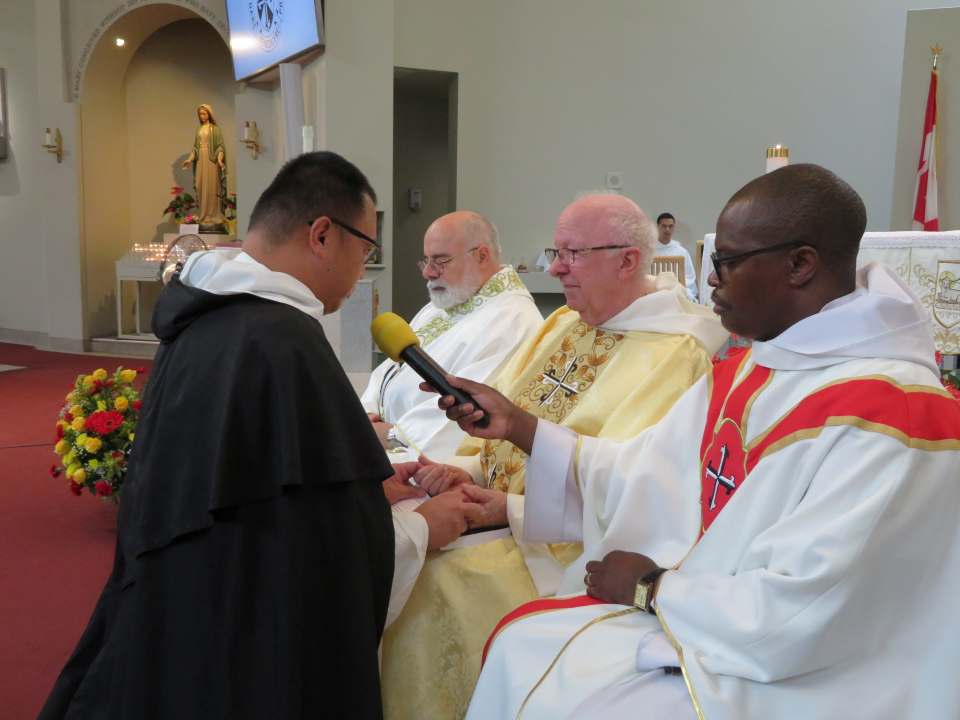
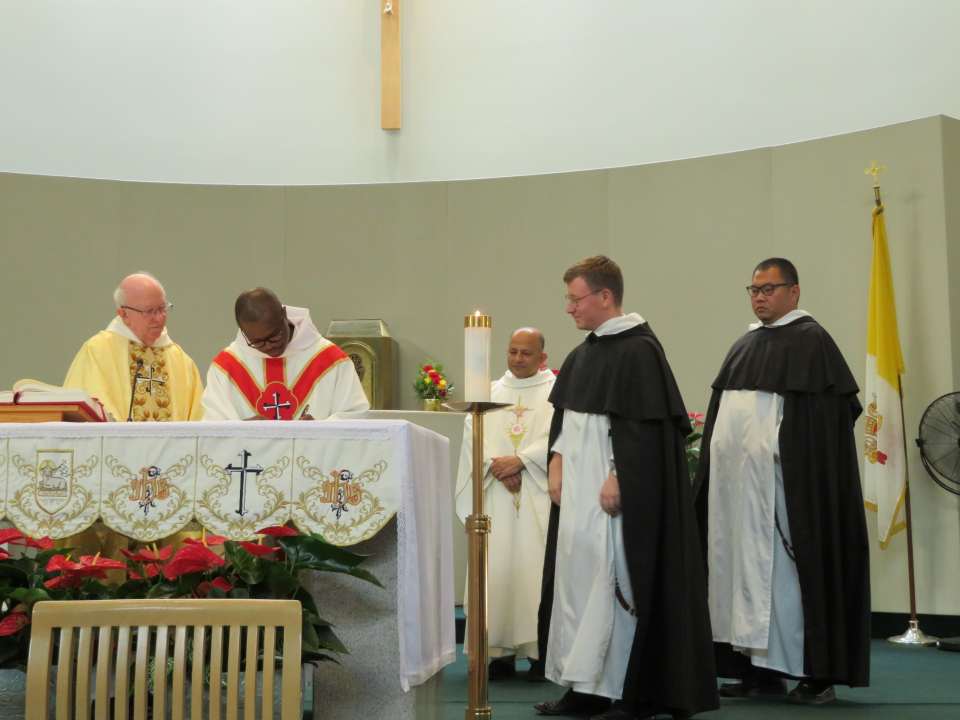
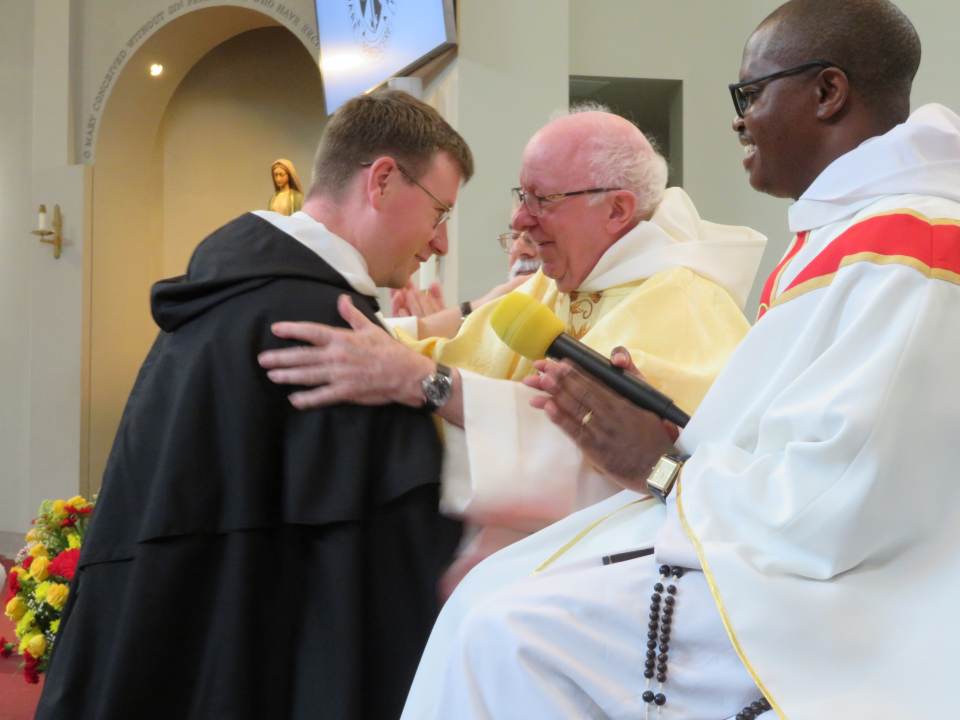
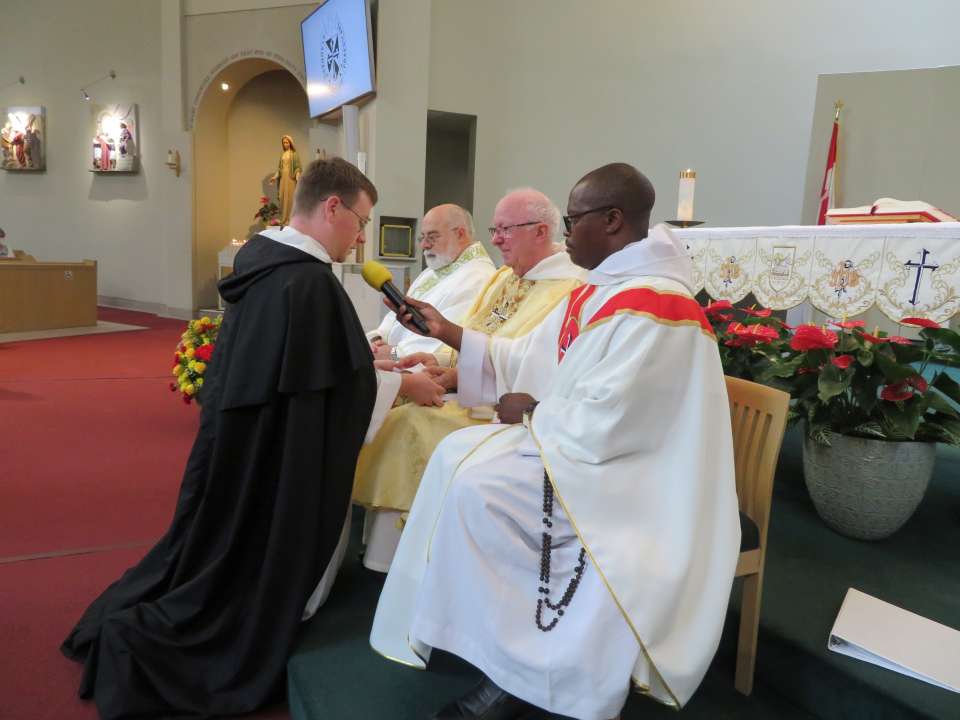
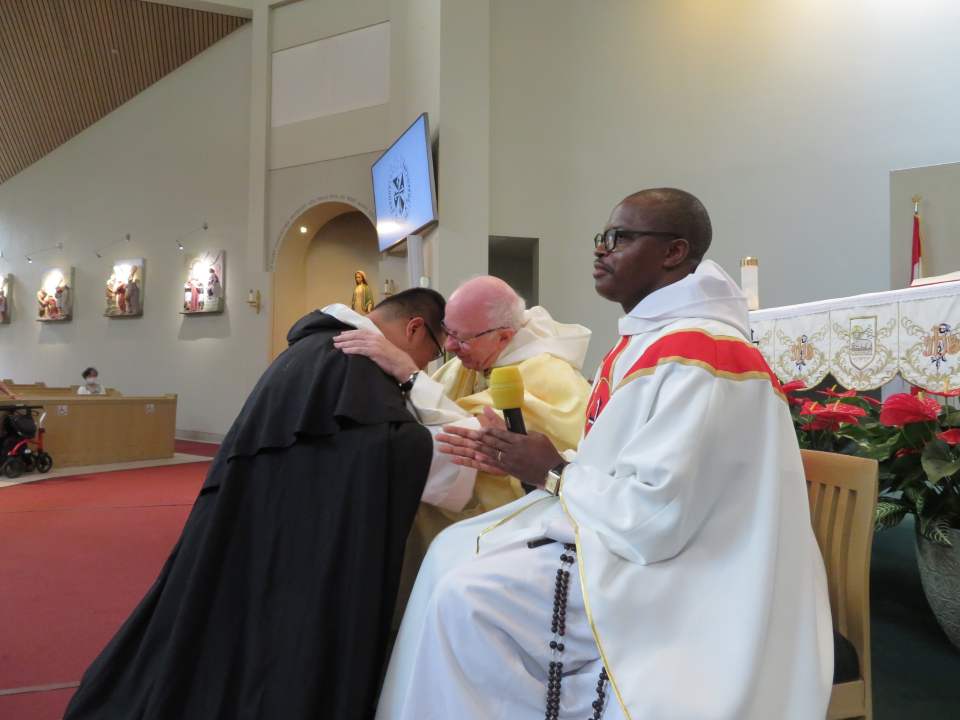
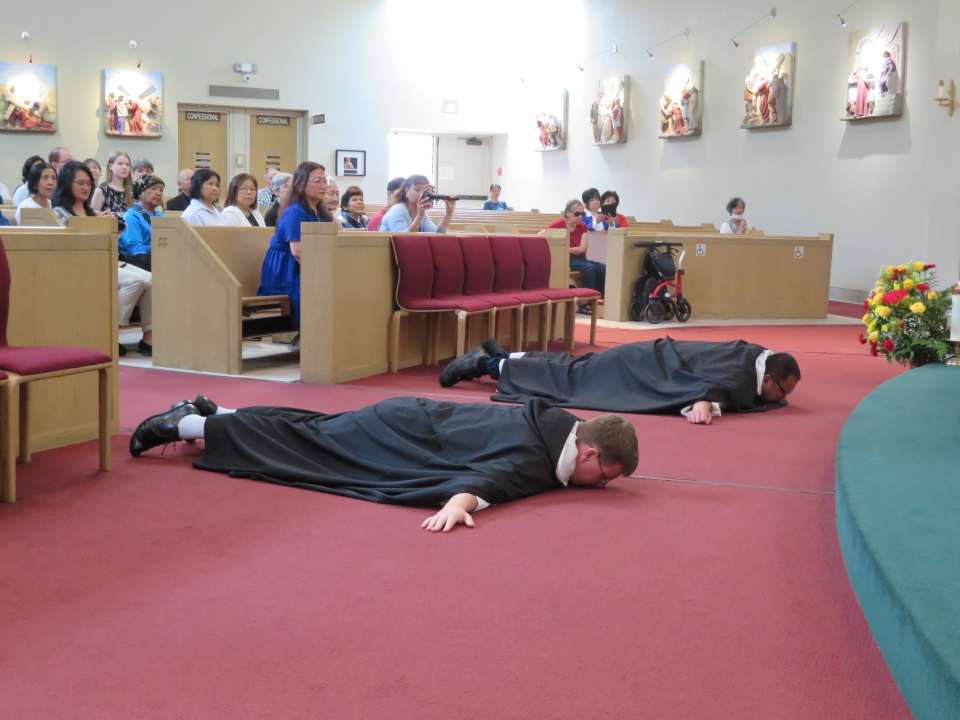
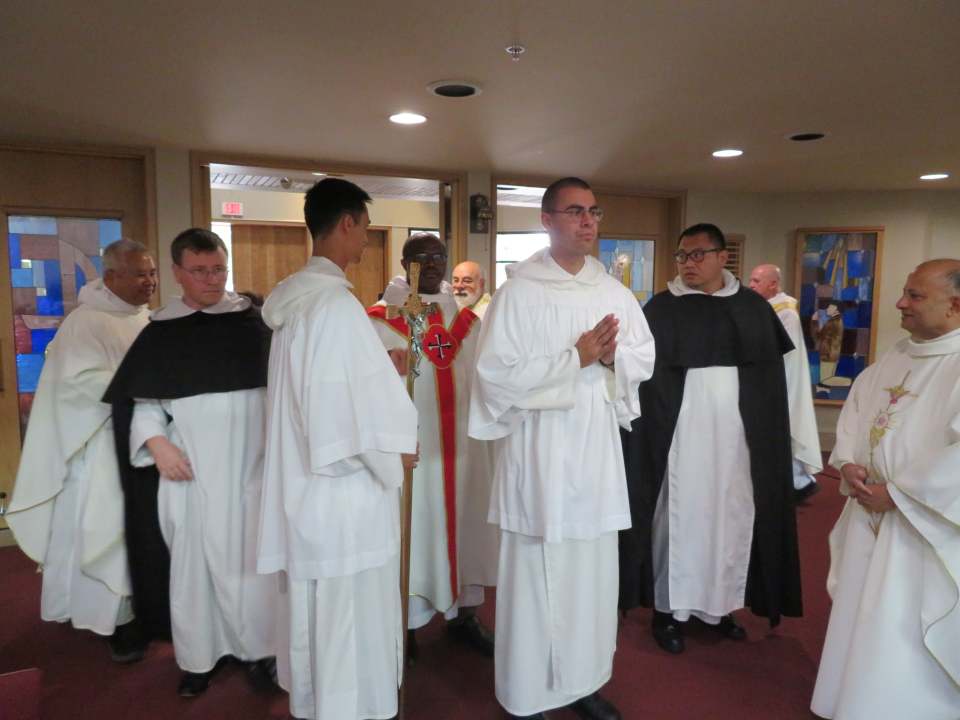
On August 30, 2026, Saint Dominic Church hosted the priestly ordination of Brother Lamphone Phonevilay, O.P., presided over by Cardinal Gérald Cyprien Lacroix.
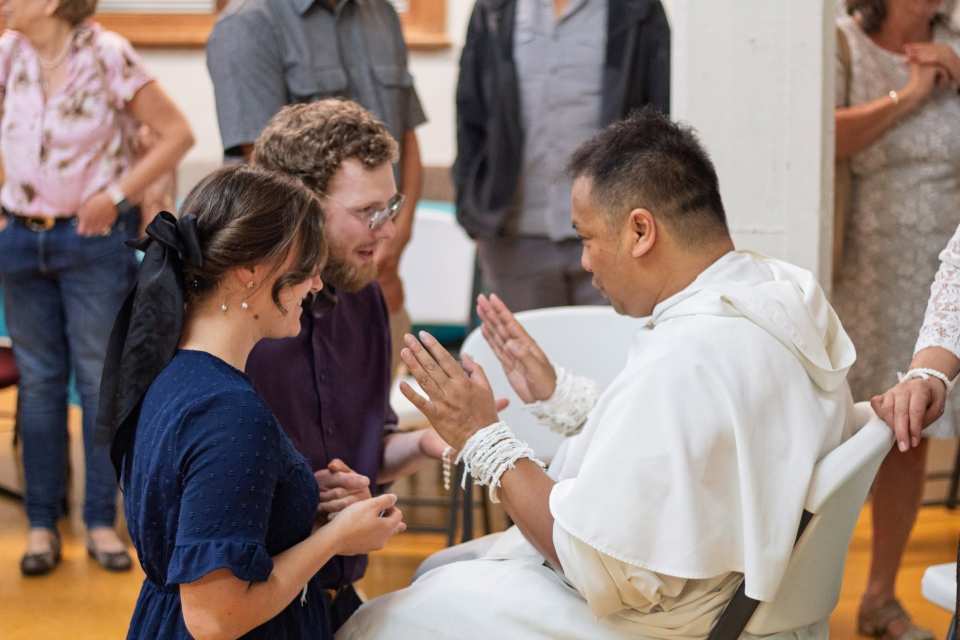

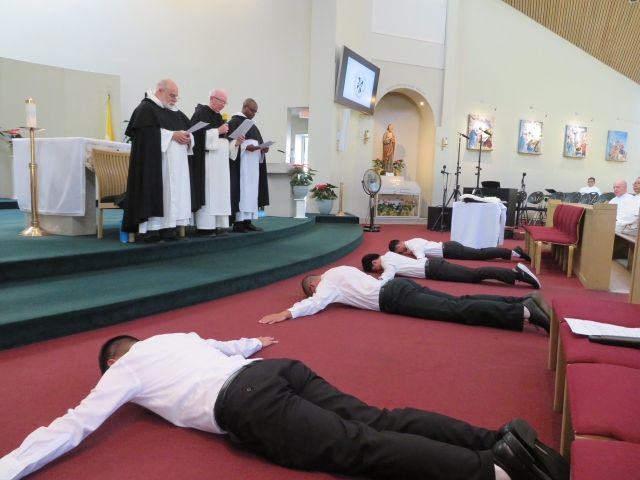
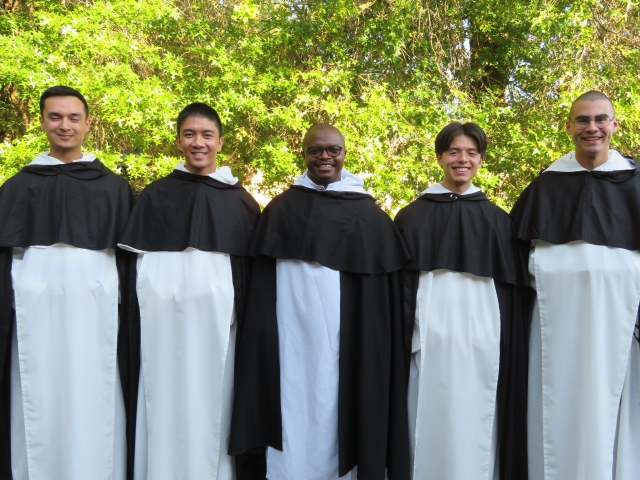
At the end of their novitiate, our novices made their first profession in the Order of Preachers and will continue their formation and studies:
Brother Andrew Jacob C. Heakes
and
Brother Andrew Angelo Antes
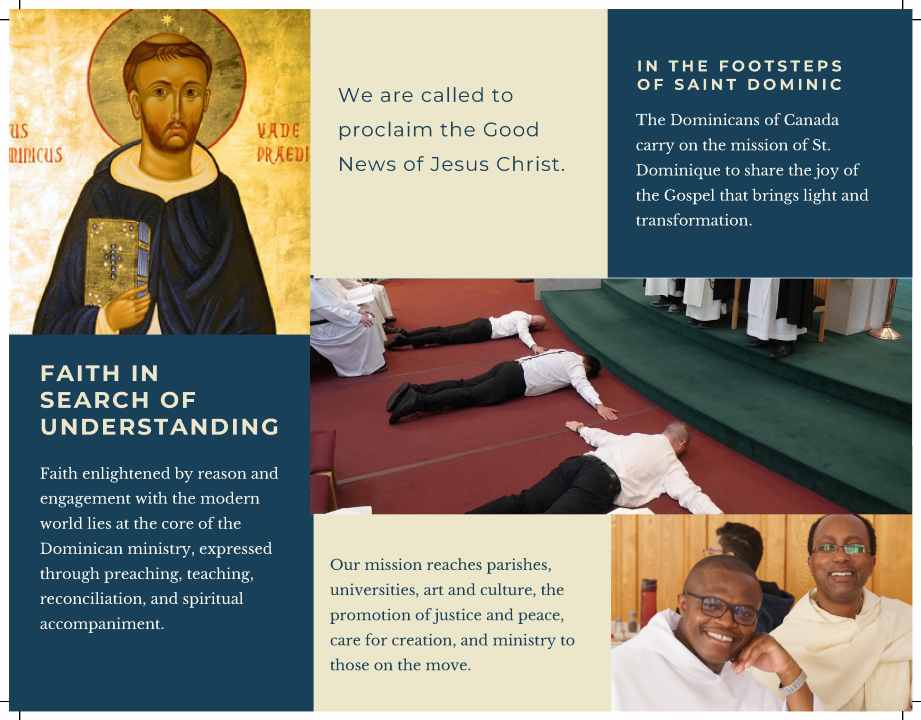
Some details about the Dominican Order:

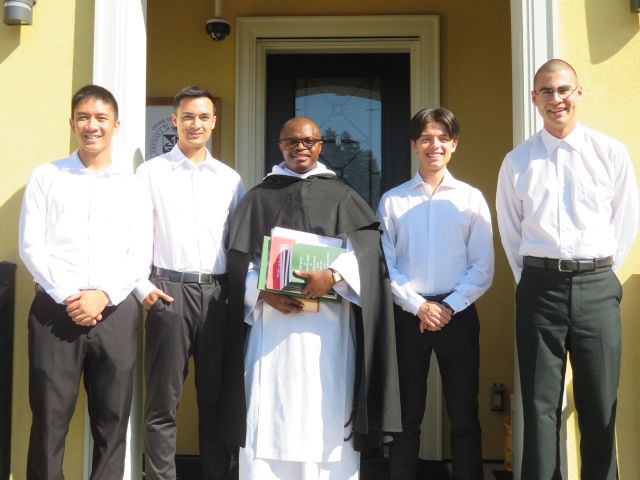
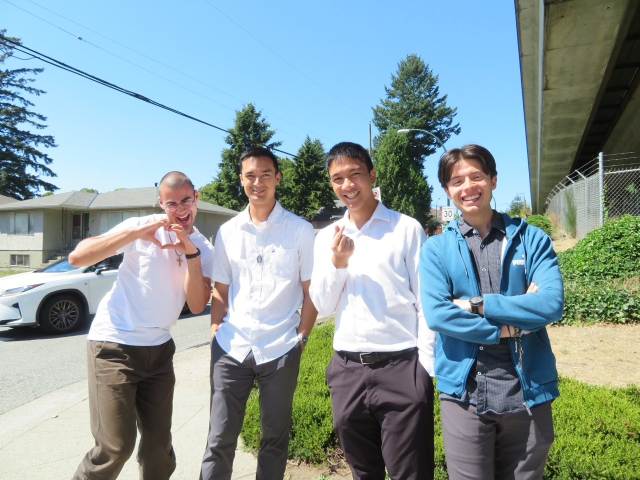
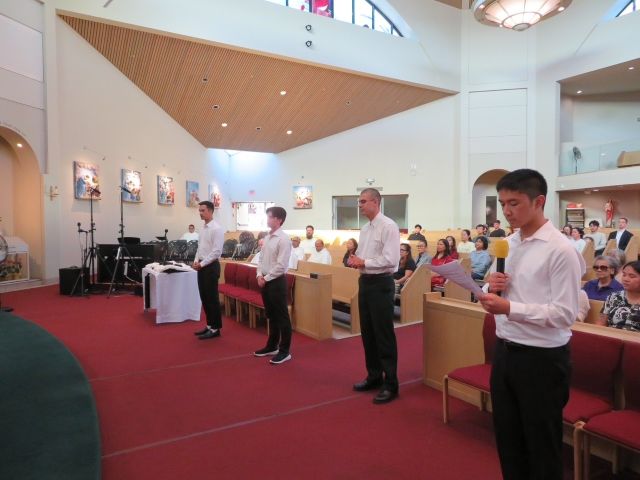
We joyfully welcome our new novices:
Brothers Michael Ocenar, Vincent Tremblay, Juan Daniel Alvarez Becerra et Christopher Ruest.

Re-elected to a second term, Father Yves will continue to guide the Province through a period of demographic change and renewed apostolic discernment.
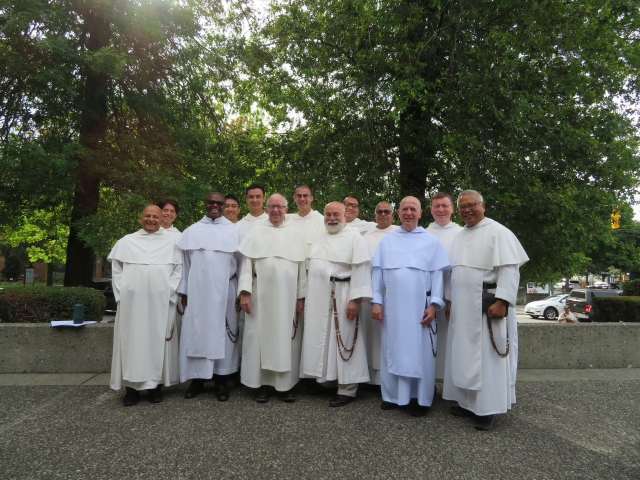
The friars of the Dominican Province of Canada have reelected Friar Yves Bériault, OP, as provincial prior. His election to a second term was confirmed on July 15 by the Master of the Order, Friar Gérard Francisco Timoner III, OP.
The Chapter elected the following brothers as members of the Diffinitorium: Brother Lamphone Phonevilay, OP; Brother José Kahombo Apolinário, OP; Brother Raymond Latour, OP; and Brother Hervé Tremblay, OP. Together with the Provincial Prior, the members of the Diffinitorium will participate in the governance of the Province and in the implementation of the decisions of the Provincial Chapter.
“The population decline in our Canadian province is a reality we cannot ignore: it is part of the trends of our time and is an objective fact,” said Br. Yves. “But growth, which is also very real in our province, is above all a gift from God. It belongs to the realm of grace; it is hope that draws us forward beyond appearances.”
Born in May 1947 in Lachine, Quebec, Brother Yves studied clinical psychology at the Université du Québec à Montréal. Before entering religious life, he worked as a school psychologist and a clinical psychologist.
At the age of 36, he entered the Order. He completed his novitiate in Quebec City and took his first vows on August 8, 1984. He pursued studies in philosophy and theology at Saint Paul University and the Dominican University College in Ottawa.
From 1988 to 1999, Brother Yves served as a university chaplain at the University of Montreal. During that time, he also taught at the Dominican Pastoral Institute and served as novice master in Montreal from 1994 to 1997.
His ministry was marked by a longstanding commitment to communications and the Internet. In 1997, he took charge of the Province’s website and subsequently created the “Spirituality 2000” site after a sabbatical year in Rome. From 2001 to 2002, he served as director of the General Curia, overseeing UID, the Order’s international information service, and acting as the Order’s Internet coordinator.
Fr. Yves returned to the Ministry of Formation as novice master from 2002 to 2009. He then served as novice master in Kigali, Rwanda, from 2009 to 2010, and again in Quebec City from 2010 to 2014. In Quebec City, he served as assistant pastor at Saint-Dominique Church from 2012 to 2018.
He served as vicar to the provincial prior from 2018 to 2021 and was elected prior of St. John the Baptist Priory in Ottawa in June 2018. He was reelected prior in 2021 and served as pastor of the conventual parish from 2018 to 2022.
In 2022, Br. Yves was appointed Vicar of the Master of the Order for Canada. He was elected Provincial Prior for the first time on June 7, 2022. “I warmly thank my brothers on the chapter for their renewed trust, and I pray to the Lord that I may be worthy of the mission they have entrusted to me,” concluded Fr. Yves.
May the intercession of Saint Dominic obtain for his sons in Canada an abundance of grace for holy preaching.

LISTEN:
Spreaker @#iheartradio (podcast) : https://www.spreaker.com/podcast/toronto-theology-talks–6949484
Apple Podcasts: https://bit.ly/4eZReiv
Spotify: https://bit.ly/4vKcgrp
1- Dr. Darren Dias, O.P.
Theology in a Pluralistic World
On Service, Challenge, and Change
2- Dr. Marion Taylor
Recovering Lost Voices Women Interpreters and the Hidden
History of Biblical Interpretation
3- Dr. Tom Reynolds
Disability Theology and the Art of Being
4- Dr. Cynthia Cameron
Rethinking Adolescence in Theology
On Youth, Faith, and the Image of God
5- Dr. Michelle Voss
Theology as Encounter- Listening Across Religious Difference
6- Dr. Gerard Ryan
Faith, Vulnerability, and Recognition
7- Dr. Michael Attridge
Understanding Vatican II- Theology, Change, and Hope


We would like to acknowledge the commitment of Sylvie Latreille and Renaldo Batista to the Dominican laity and offer them our warmest congratulations.

Young Thomas Searching by Emmaus O’Herlihy, OSB
Continue reading